欧洲的某个地方

欧洲的某个地方

2023-04-04 11:48:57 1948  其它 
1948·其它·其它·详情
0.0
0次评分
  • 很差
  • 较差
  • 还行
  • 推荐
  • 力荐
收藏
  Somewhere in the remote region, the war ends. In the midst of ruined cities and houses in the streets, in rural hamlets, everywhere where people still live, are children who have lost their homes and parents. Abandoned, hungry, and in rags, defenseless and humiliated, they wander through the world. Hunger drives them. Little streams of orphans merge into a river which rushes forward and submerges everything in its path. The children do not know any feeling; they know only the world of their enemies. They fight, steal, struggle for a mouthful of food, and violence is merely a means to get it. A gang led by Cahoun finds a refuge in an abandoned castle and encounters an old composer who has voluntarily retired into solitude from a world of hatred, treason, and crime. How can they find a common ground, how can they become mutual friends? The castle becomes their hiding place but possibly it will also be their first home which they may organize and must defend. But even for this, the price will be very high.  To this simple story, the journalist, writer, poet, scriptwriter, movie director, and film theoretician Béla Balázs applied many years of experience. He and the director Géza Radványi created a work which opened a new postwar chapter in Hungarian film. Surprisingly, this film has not lost any of its impact over the years, especially on a profound philosophical level. That is to say, it is not merely a movie about war; it is not important in what location and in what period of time it takes place. It is a story outside of time about the joyless fate of children who pay dearly for the cruel war games of adults.  At the time it was premiered, the movie was enthusiastically received by the critics. The main roles were taken by streetwise boys of a children's group who created their roles improvisationally in close contact with a few professional actors, and in the children's acting their own fresh experience of war's turmoil appears to be reflected. At the same time, their performance fits admirably into the mosaic of a very complex movie language. Balázs's influence revealed itself, above all, in the introductory sequences: an air raid on an amusement park, seen in a montage of dramatic situations evoking the last spasms of war, where, undoubtedly, we discern the influence of classical Soviet cinematography. Shooting, the boy's escape, the locomotive's wheels, the shadows of soldiers with submachine guns, the sound of a whistle—the images are linked together in abrupt sequences in which varying shots and expressive sharp sounds are emphasized. A perfectly planned screenplay avoided all elements of sentimentality, time-worn stereotypes of wronged children, romanticism and cheap simplification. The authors succeeded in bridging the perilous dramatic abyss of the metamorphosis of a children's community. Their telling of the story (the scene of pillaging, the assault on the castle, etc) independently introduced some neorealist elements which, at that time, were being propagated in Italy by De Sica, Rossellini, and other film artists. The rebukes of contemporary critics, who called attention to "formalism for its own sake" have been forgotten. The masterly art of cameraman Barnabás Hegyi gives vitality to the poetic images. His angle shots of the children, his composition of scenes in the castle interior, are a living document of the times, and underline the atmosphere and the characters of the protagonists. The success of the picture was also enhanced by the musical art of composer Dénes Buday who, in tense situations, inserted the theme of the Marseilaise into the movie's structure, as a motive of community unification, as an expression of friendship and the possibility of understanding.  Valahol Europaban is the first significant postwar Hungarian film. It originated in a relaxed atmosphere, replete with joy and euphoria, and it includes these elements in order to demonstrate the strength of humanism, tolerance, and friendship. It represents a general condemnation of war anywhere in the world, in any form.
展开

imageUrl
imageUrl

资源列表

相关明星

相关作品

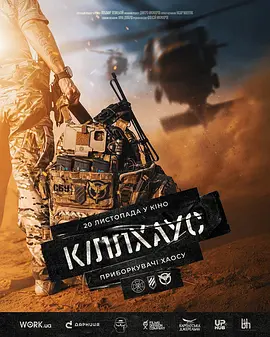
杀戮屋
一对夫妇心急如焚奔赴被占领的边境领土,拼尽全力营救遭到绑架的女儿。原本敲定的赎人交易骤然破裂,局势彻底滑向失控。绝境之下,代号索瓦的特战指挥官与代号希德的技术工程师联手,牵头发起一场孤注一掷的深入营救行动。整场行动由一名战地记者全程跟拍,以直播的形式同步推向全球观众。身处险境的记者,既手握记录真相的镜头,也面临着生死一线的处境,不得不在脱身求生与揭露真相之间做出艰难抉择。
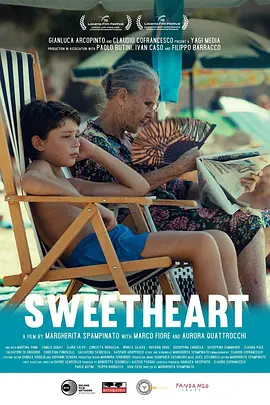
我的喜悦夏天
一个男孩和一位老妇人被迫一起度过一个夏天。这是现代与传统、快速与缓慢之间的碰撞。这是一个充满恐惧和发现的夏天,但同样也有冒险、里程碑和失落——一个过后一切都将不再相同的夏天。
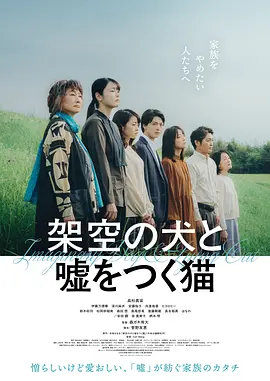
幻犬诳猫
羽猫家は、みんな「嘘つき」である――。 空想の世界に生きる母、愛人の元に逃げる父、その全てに反発する姉、そして思い付きで動く適当な祖父と比較的まともな祖母。 そんな家の長男として生まれた山吹は、幼い頃から皆に合わせて成長してきた。だけど大人になり彼らの《嘘》がほどかれたとき、本当の家族の姿が見えてきて――? これは破綻した嘘をつき続けた家族の、とある素敵な物語!
枫2025
福士苍汰,福原遥,宫泽冰鱼,石井杏奈,宫近海斗,大塚宁宁,加藤雅也
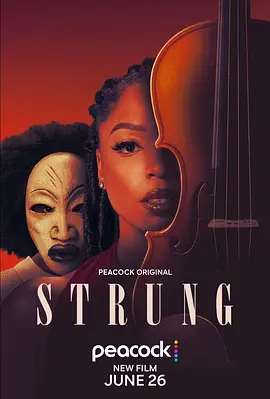
悬命琴师
一位才华横溢的小提琴手,受聘于一个精英家庭担任家庭教师,却意外发现过去竟与这家的男主人有着千丝万缕的联系。从此,这份工作演变成了一场关乎安全与理智的博弈——一场为了生存和清醒而展开的殊死搏斗。
映画「楓」の主人公は、大切な人を失った2人の男女。出会いと別れ、愛と悲しみ、それでも前へ進もうとする2人の姿が、美しい季節の移り変わりを通して描かれる。楓の花言葉である「大切な思い出」「美しい変化」「遠慮」をキーワードとしたオリジナルストーリーだ。
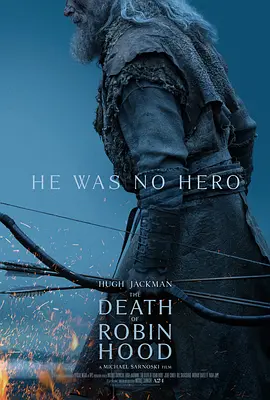
罗宾汉之死
讲述罗宾汉经历了犯罪和谋杀的一生后,在与自己的过往作斗争,饱经战火、独来独往的罗宾汉发现自己受了重伤,落入了一位神秘女子的手中,后者为他提供了救赎的机会。
青春格式塔崩坏
佐藤新,渡边美穗,濑户朝香,户田菜穗,田边桃子,新井美羽,滨田龙臣,水桥研二,藤本洸大,福室莉音,爱来
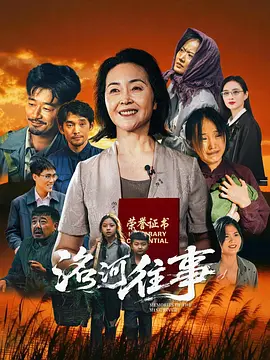
洺河往事
2025年1月全国重点网络电影拍摄备案公示剧目 ; ; ; ; ; ; ; ; ; ; ;
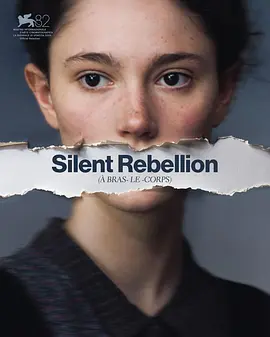
全力抗争
15 岁的艾玛在遭遇性侵后怀孕,她毅然反抗压抑的乡村新教社区,开辟出一条自我主导的人生道路。在直面村庄道德伪善与身边二战阴霾的同时,她将创伤转化为解放的催化剂,完成了从受害者到觉醒者的蜕变。
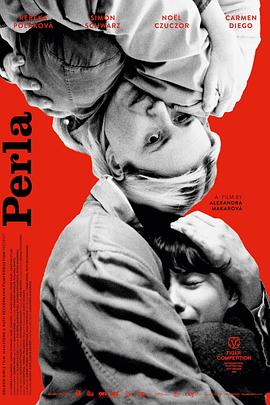
珀拉
西蒙·施瓦茨,Hilde Dalik,诺埃尔·楚佐,丽贝卡·波拉科娃,Carmen Diego
捕星者
一位业余天文学家在天空中发现了一颗奇异的新星,这让他逐渐卷入了一场黑暗的阴谋之中。该阴谋旨在通过利用人类对科技的依赖来控制人类。
默默
改编自迈克尔·恩德备受喜爱的儿童读物,讲述了一个赤脚、卷发凌乱的女孩拯救人们的故事 以我的经验,盗贼们。
厚望
两个低级 ;企业家 ;卷入了一个他们不了解的世界,并对逃离这个世界寄予厚望。
拼命三郎粤语
不再风光的江湖老大石三郎,重遇多年没见的儿子后,意外地东山再起。事业与亲情逐渐回来之际,揭发一个埋藏已久的秘密。面对困局,三郎决定做一次真正的父亲,成就新的拼命三郎。
  • 片名:欧洲的某个地方
  • 状态:2023-04-04 11:48:57
  • 主演:Artúr Somlay,Miklós Gábor,Zsuzsa Bánki,
  • 导演:Radványi Géza,
  • 年份:1948
  • 地区:其它
  • 类型:未知
  • 频道:内详
  • 上映:未知
  • 语言:其它
  • 更新:2026-06-08 02:02
  • 简介:  Somewhere in the remote region, the war ends. In the midst of ruined cities and houses in the streets, in rural hamlets, everywhere where people still live, are children who have lost their homes and parents. Abandoned, hungry, and in rags, defenseless and humiliated, they wander through the world. Hunger drives them. Little streams of orphans merge into a river which rushes forward and submerges everything in its path. The children do not know any feeling; they know only the world of their enemies. They fight, steal, struggle for a mouthful of food, and violence is merely a means to get it. A gang led by Cahoun finds a refuge in an abandoned castle and encounters an old composer who has voluntarily retired into solitude from a world of hatred, treason, and crime. How can they find a common ground, how can they become mutual friends? The castle becomes their hiding place but possibly it will also be their first home which they may organize and must defend. But even for this, the price will be very high.  To this simple story, the journalist, writer, poet, scriptwriter, movie director, and film theoretician Béla Balázs applied many years of experience. He and the director Géza Radványi created a work which opened a new postwar chapter in Hungarian film. Surprisingly, this film has not lost any of its impact over the years, especially on a profound philosophical level. That is to say, it is not merely a movie about war; it is not important in what location and in what period of time it takes place. It is a story outside of time about the joyless fate of children who pay dearly for the cruel war games of adults.  At the time it was premiered, the movie was enthusiastically received by the critics. The main roles were taken by streetwise boys of a children's group who created their roles improvisationally in close contact with a few professional actors, and in the children's acting their own fresh experience of war's turmoil appears to be reflected. At the same time, their performance fits admirably into the mosaic of a very complex movie language. Balázs's influence revealed itself, above all, in the introductory sequences: an air raid on an amusement park, seen in a montage of dramatic situations evoking the last spasms of war, where, undoubtedly, we discern the influence of classical Soviet cinematography. Shooting, the boy's escape, the locomotive's wheels, the shadows of soldiers with submachine guns, the sound of a whistle—the images are linked together in abrupt sequences in which varying shots and expressive sharp sounds are emphasized. A perfectly planned screenplay avoided all elements of sentimentality, time-worn stereotypes of wronged children, romanticism and cheap simplification. The authors succeeded in bridging the perilous dramatic abyss of the metamorphosis of a children's community. Their telling of the story (the scene of pillaging, the assault on the castle, etc) independently introduced some neorealist elements which, at that time, were being propagated in Italy by De Sica, Rossellini, and other film artists. The rebukes of contemporary critics, who called attention to "formalism for its own sake" have been forgotten. The masterly art of cameraman Barnabás Hegyi gives vitality to the poetic images. His angle shots of the children, his composition of scenes in the castle interior, are a living document of the times, and underline the atmosphere and the characters of the protagonists. The success of the picture was also enhanced by the musical art of composer Dénes Buday who, in tense situations, inserted the theme of the Marseilaise into the movie's structure, as a motive of community unification, as an expression of friendship and the possibility of understanding.  Valahol Europaban is the first significant postwar Hungarian film. It originated in a relaxed atmosphere, replete with joy and euphoria, and it includes these elements in order to demonstrate the strength of humanism, tolerance, and friendship. It represents a general condemnation of war anywhere in the world, in any form.
搜索历史
删除
热门搜索
本地记录 云端记录
    暂无播放记录
    加载中
    签到领积分
    签到排行
    奖励规则
    项目积分备注
    每日签到2每日一次
    连签7天5额外奖励
    连签15天15额外奖励
    连签20天30额外奖励
    连签25天50额外奖励